The early days of podcasting promised a simple deal: make great content, build an audience, and the money will follow. For a few, it worked exactly like that. For most, the reality has been more complicated.
What's emerging now is more interesting than the gold rush that preceded it. Podcast creators in 2026 are building sustainable businesses — but they're doing it through diversified revenue, direct audience relationships, and a much clearer understanding of what works commercially and what doesn't.
The Ad Model Isn't Broken — It's Just Not Enough
Advertising remains the primary revenue source for many podcasters, and the market is healthy. Host-read ads continue to outperform virtually every other digital format for engagement, and programmatic buying is making podcast inventory accessible to a much wider pool of brands.
But relying solely on ad revenue is a vulnerable position, particularly for mid-tier shows. CPMs fluctuate with the broader economy, and the gap between what top-tier shows can command and what everyone else earns has widened.
The creators who are thriving have diversified. They treat ad revenue as one income stream among several, not the whole business.
What Diversification Actually Looks Like
The most common revenue stack for a sustainable podcast business in 2026 looks something like this: advertising (host-read and/or programmatic), paid subscriptions or memberships, live events and appearances, merchandise or physical products, consulting or services related to their expertise, and licensing or syndication deals.
Not every show needs all of these. A niche B2B podcast might earn more from consulting leads than it ever will from ads. A comedy show might make more from live tours. The point is that the creators who are building real businesses have stopped thinking of themselves as podcasters who monetise and started thinking of themselves as media businesses that happen to produce podcasts.
Community Is the Asset
The shift from "audience" to "community" isn't just a buzzword — it represents a genuine change in how the most successful creators think about growth. An audience listens. A community participates, pays, advocates, and shows up.
Platforms like Patreon, Substack, Memberful, and podcast-native subscription tools have made it possible for creators to build direct financial relationships with their listeners. The creators who've done this well tend to share a few traits: they're consistent, they offer genuine additional value (not just bonus episodes), and they treat their paying community as a relationship, not a transaction.
What This Means at TPS
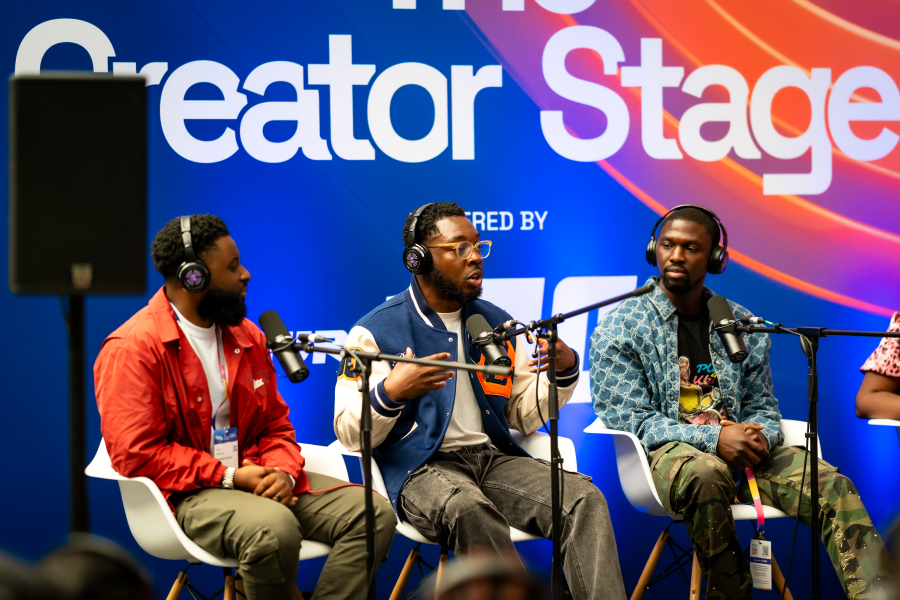
The Podcast Show London has evolved alongside this shift. The Creator Stage now focuses heavily on sustainable growth — practical sessions on revenue diversification, audience development, and the business mechanics of running a podcast as a career.
The new Creator First Stage (in association with Arcade) is dedicated to the creator economy specifically: ownership, distribution, and building businesses around content.
And the Creator Mix — new for 2026 — is an evening networking event designed for over 1,000 creators. Not a panel. Not a lecture. A social event where you can meet peers, potential collaborators, and the people who commission, distribute, and sell the content you make.
The Creator Village on the exhibition floor offers hands-on demos, and Ask The Experts (with BetterHelp) provides one-to-one guidance from industry professionals on everything from production to pitching.
The creators who are building real businesses have stopped thinking of themselves as podcasters who monetise and started thinking of themselves as media businesses that happen to produce podcasts.
The Opportunity Right Now
Podcasting is still growing. Globally, listenership continues to rise year on year. The formats are evolving — video podcasts, live recordings, social-first clips — and the tools available to creators are better and more affordable than ever.
But the window for building a sustainable position is narrower than it was five years ago. The market is more competitive, listeners are more discerning, and the platforms are more sophisticated about what they invest in.
The creators who are succeeding are the ones treating this as a business from day one. That means understanding your audience deeply, building multiple revenue streams, investing in quality, and being in the room with the rest of the industry.
That's what The Podcast Show is for. Two days where you can learn what's working, meet the people who can help, and come away with a plan that's more robust than "grow the audience and hope."